The Well-Traveled Quincy
This remarkable street clock (aka “Quincy”) is the best of only three surviving examples of an Ansonia street clock, and it now resides in North America’s largest watch and clock museum!
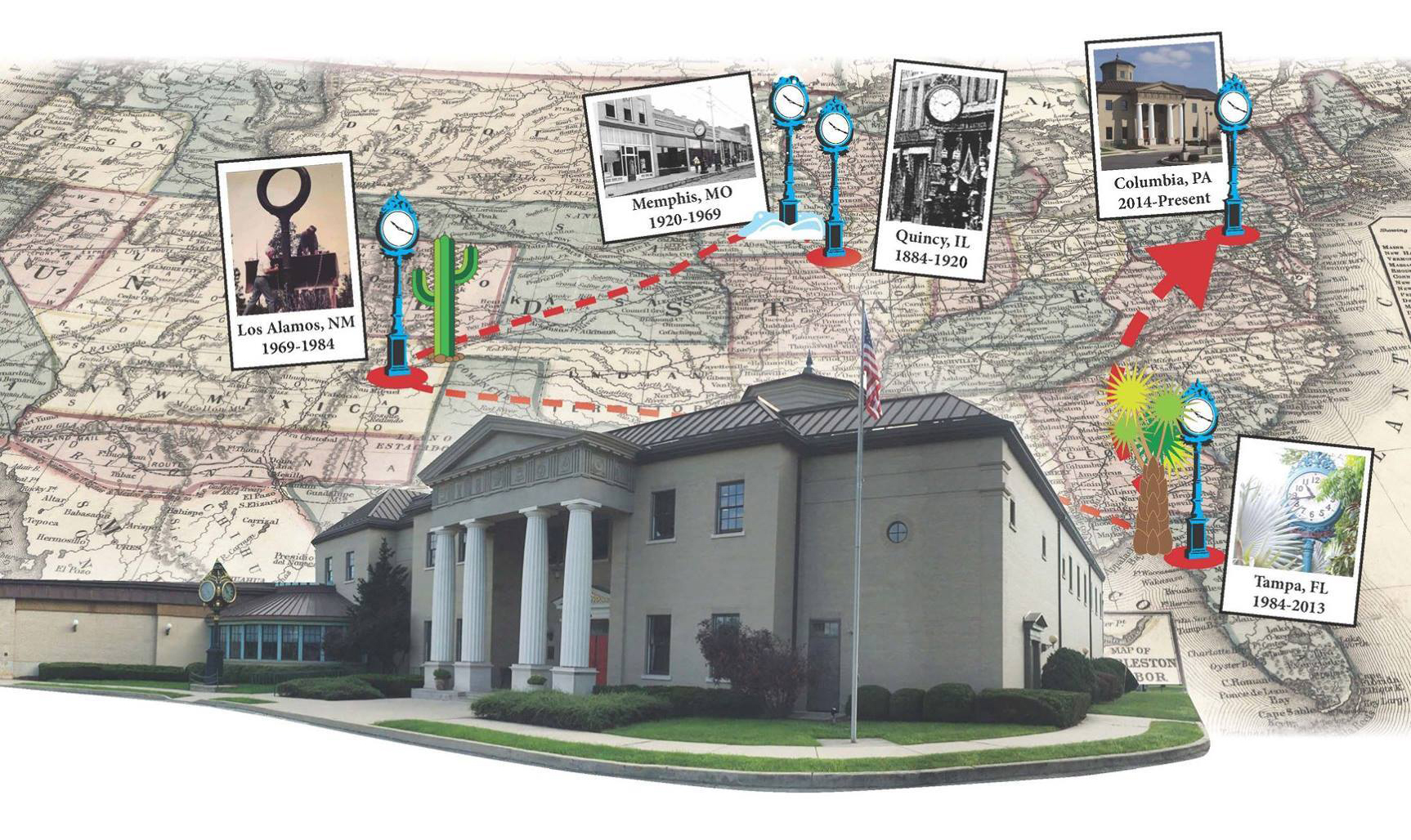
Quincy was first installed in1884 in a bustling Illinois town on the Mississippi river. Over the course of nearly a century and a half, she led an extraordinary – and nomadic – life before arriving in 2014 at the National Watch & Clock Museum.
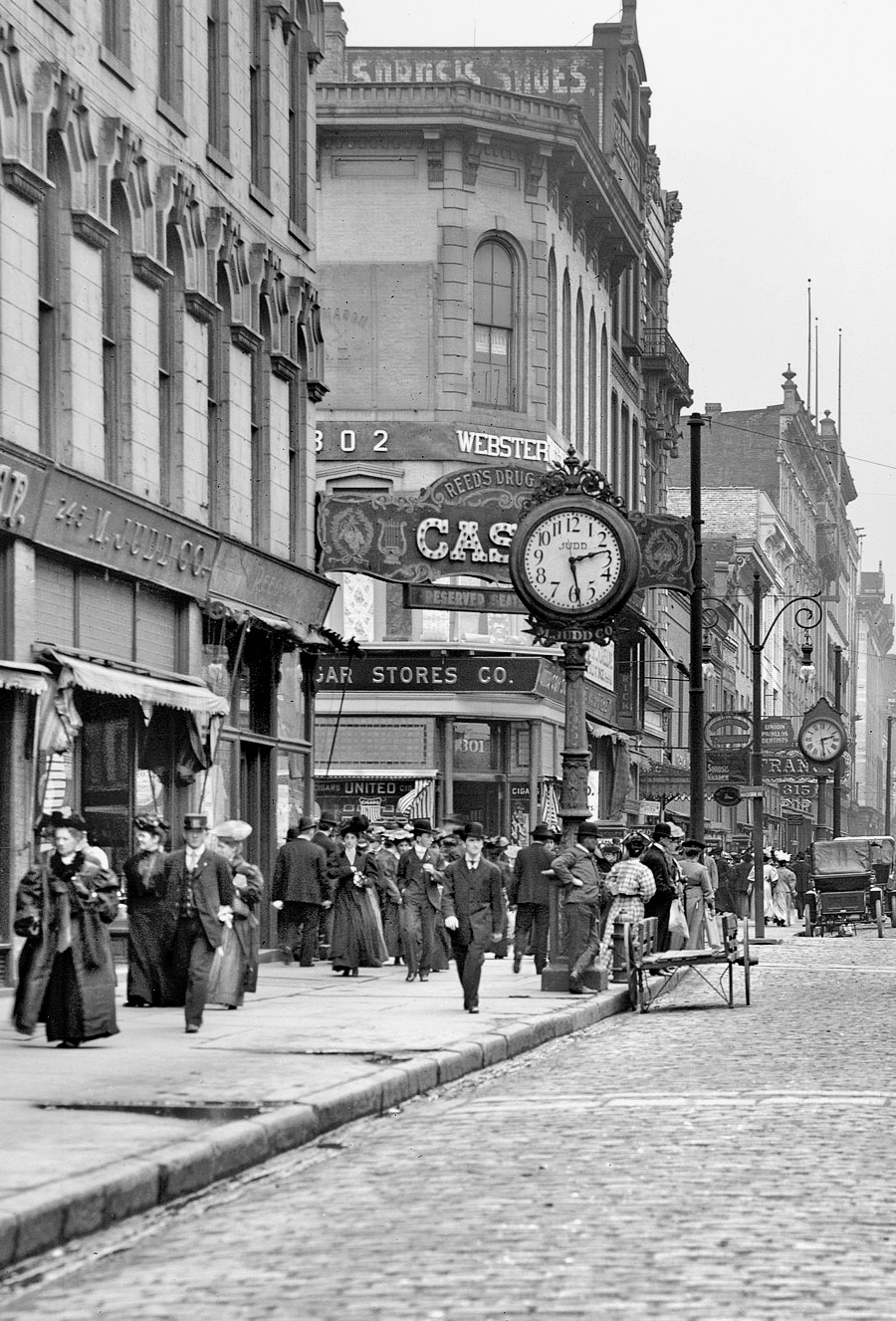
Originally manufactured by the Ansonia Clock Company of Brooklyn, New York, Quincy made her public debut in 1884 outside the Heinze and Rosenthal Jewelry Store in Quincy, Illinois. Over the next thirty-four years, three other local jewelers also displayed the clock in front of their shops.
In 1918, Quincy moved to Memphis, Missouri, where she again stood tall (18-1/2 feet tall!) – but also endured nearly 50 more years of harsh Midwest winters. Exposed to the elements and lacking a watertight case around her wooden dial, Quincy suffered severe damage during a particularly brutal snowstorm.
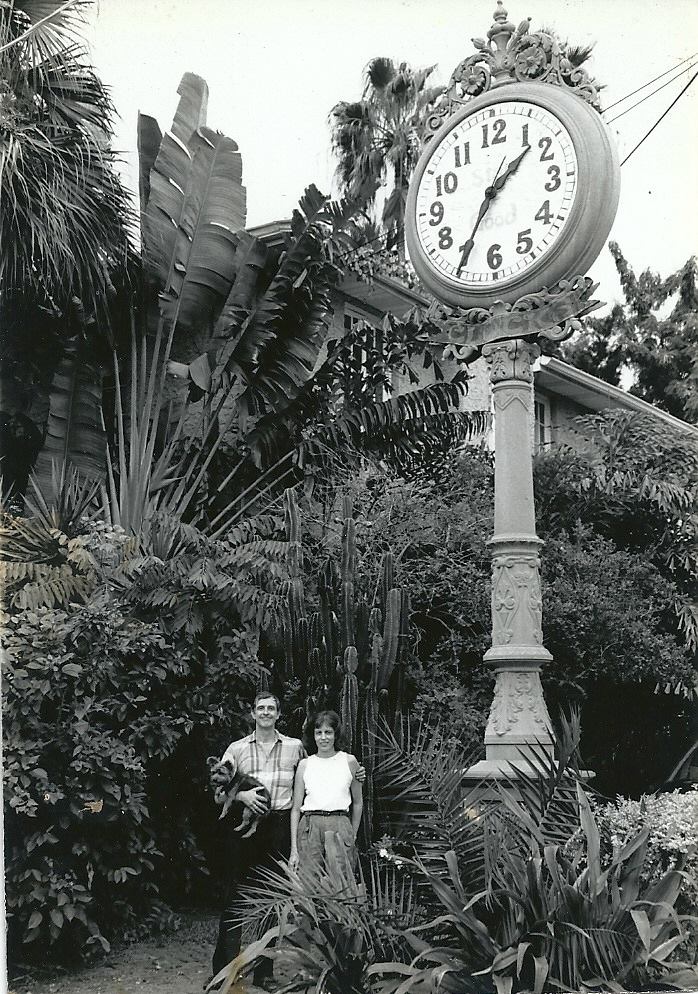
Fortunately, Quincy next traveled west. In 1969, Charles Bottom, a private collector in Los Alamos, New Mexico, bought Quincy and restored her, setting her up in his (sunny and dry) backyard. There Quincy remained until 1984, when Stan Good of Tampa, Florida purchased Quincy and installed her in front of his own watch repair shop.
Unfortunately, the Florida humidity played havoc with Quincy’s movement and she only ran sporadically. While dubbing her “the cantankerous Quincy,” Stan loved her just the same.
When Stan Good died in 2013, members of Tower and Street Clock Chapter 134 took a keen interest in Quincy, and encouraged the NAWCC to purchase the clock. The NAWCC agreed – and bought her. In 2014, Quincy made her final journey, this time to Columbia, Pennsylvania.
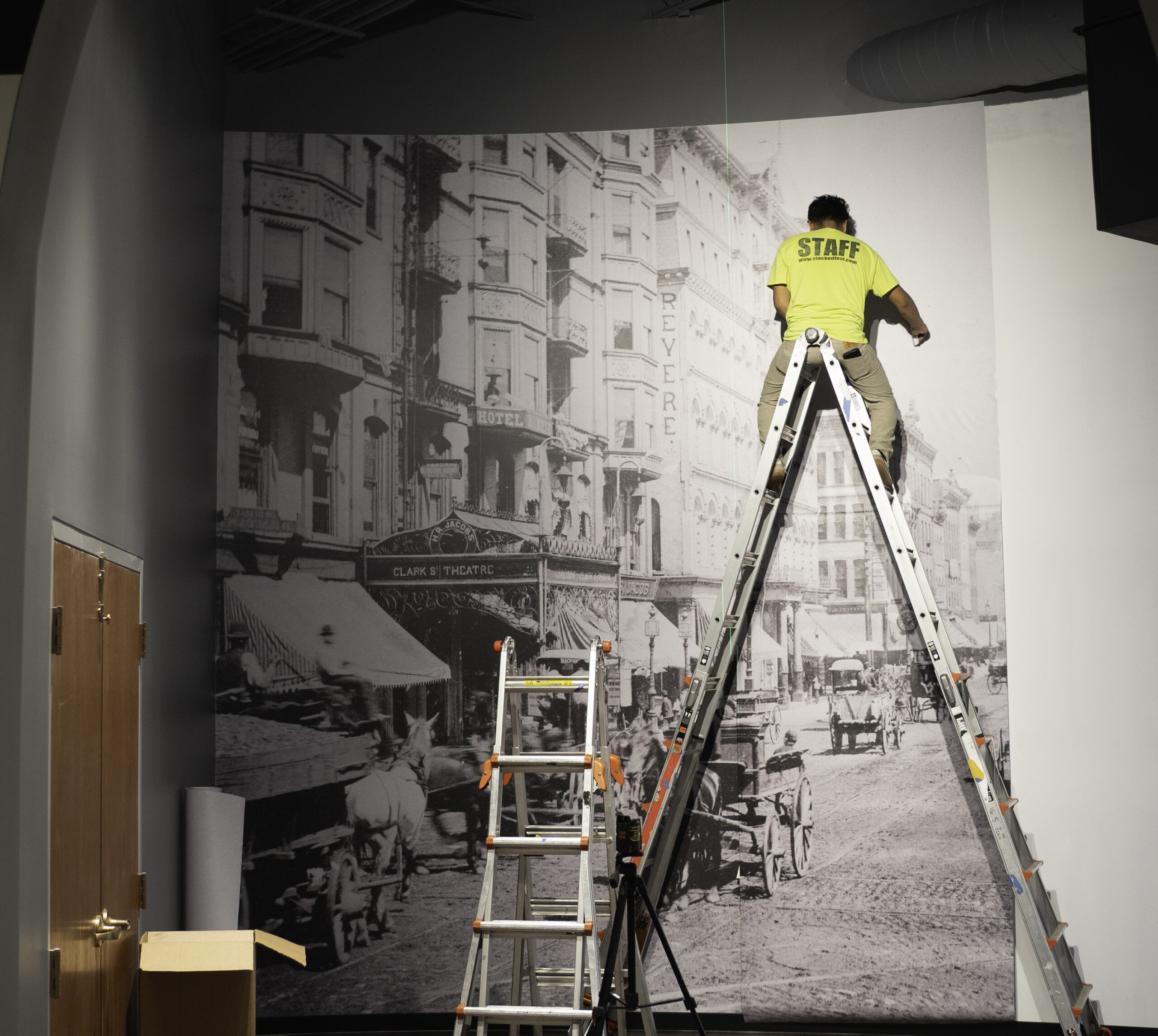
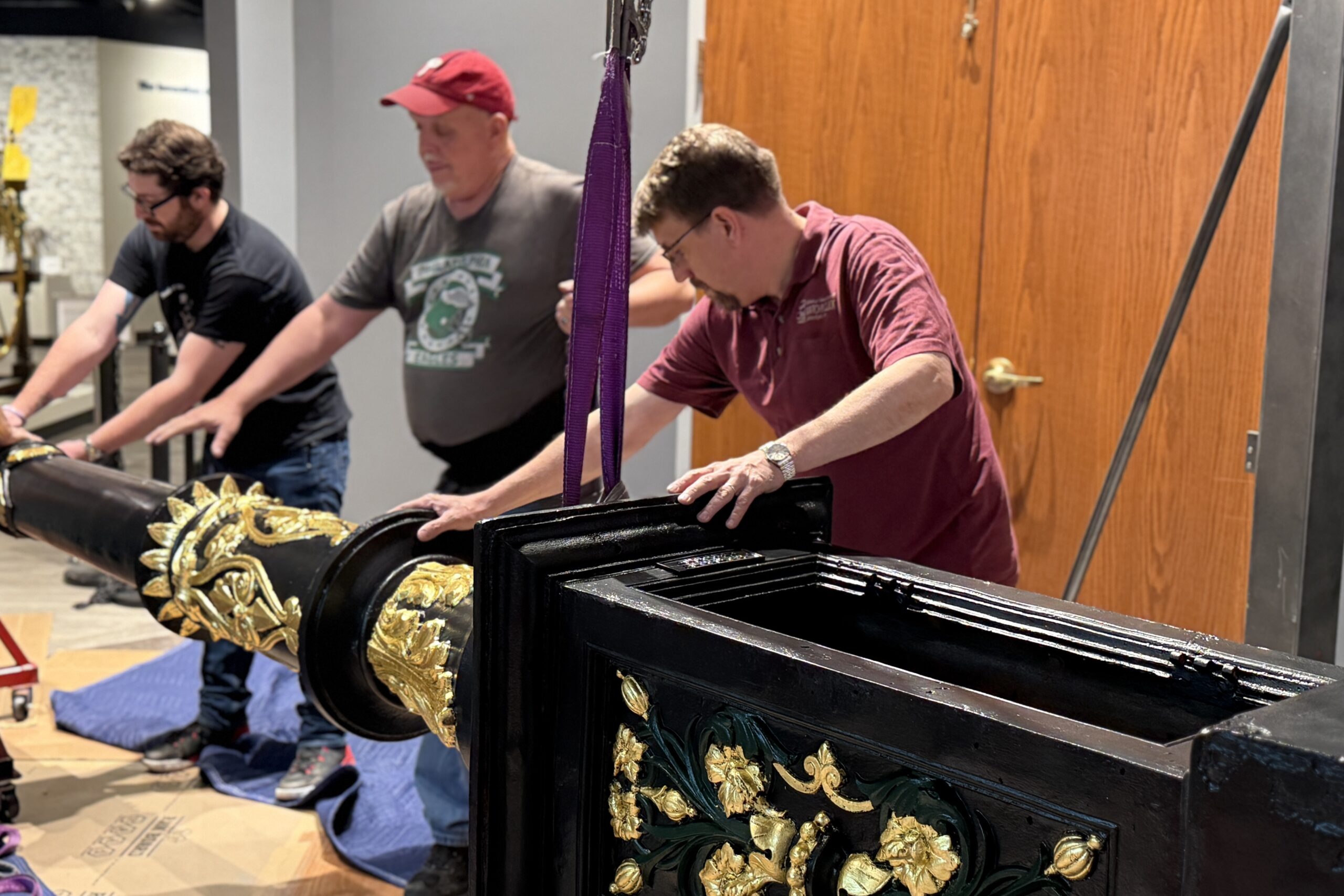
Installing Quincy at the Museum was no small feat, however, as the sheer height of the clock required the creation of a new gallery space. Funding for the project was slow in coming. Covid struck. Quincy languished on the floor.
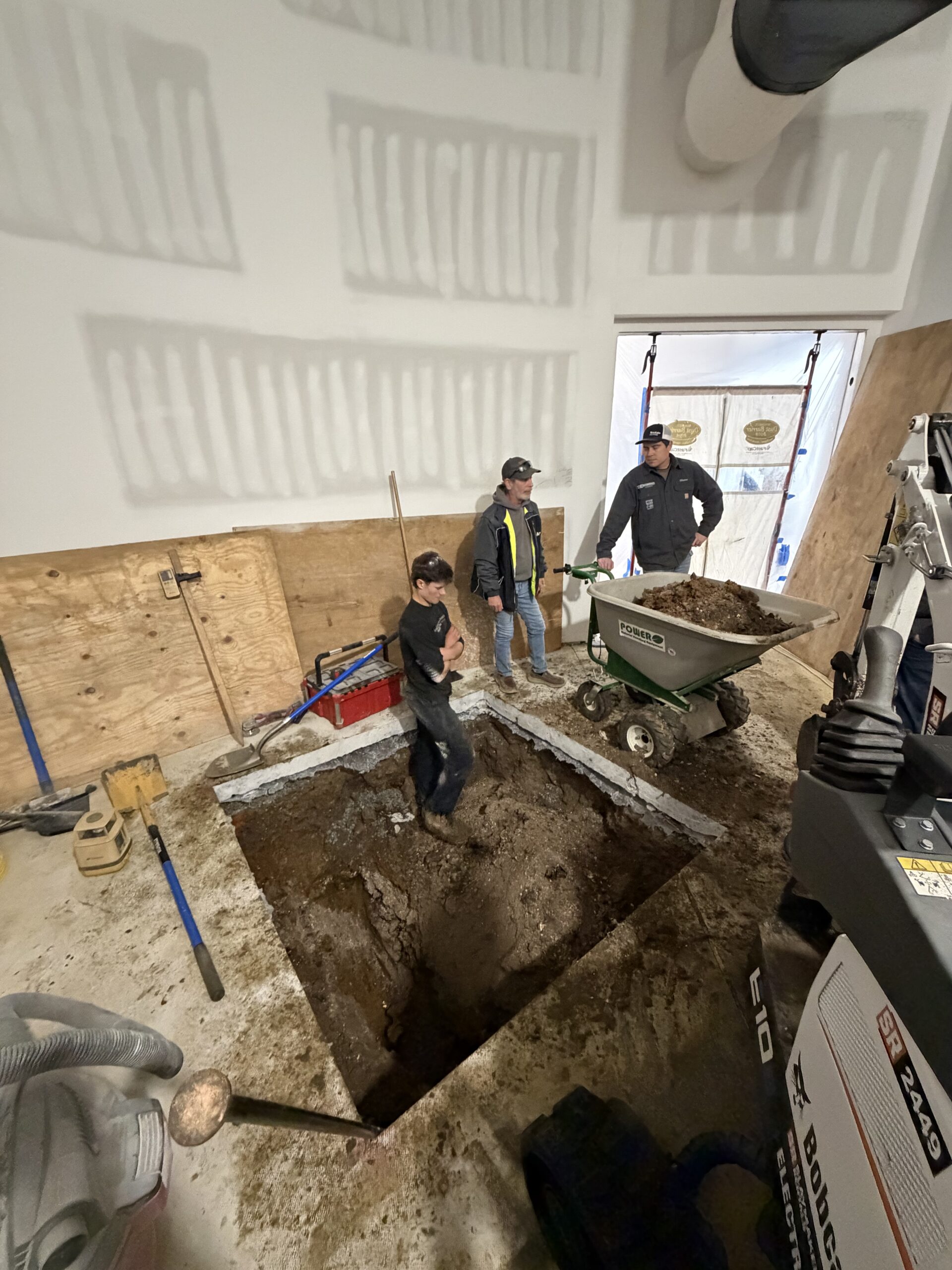
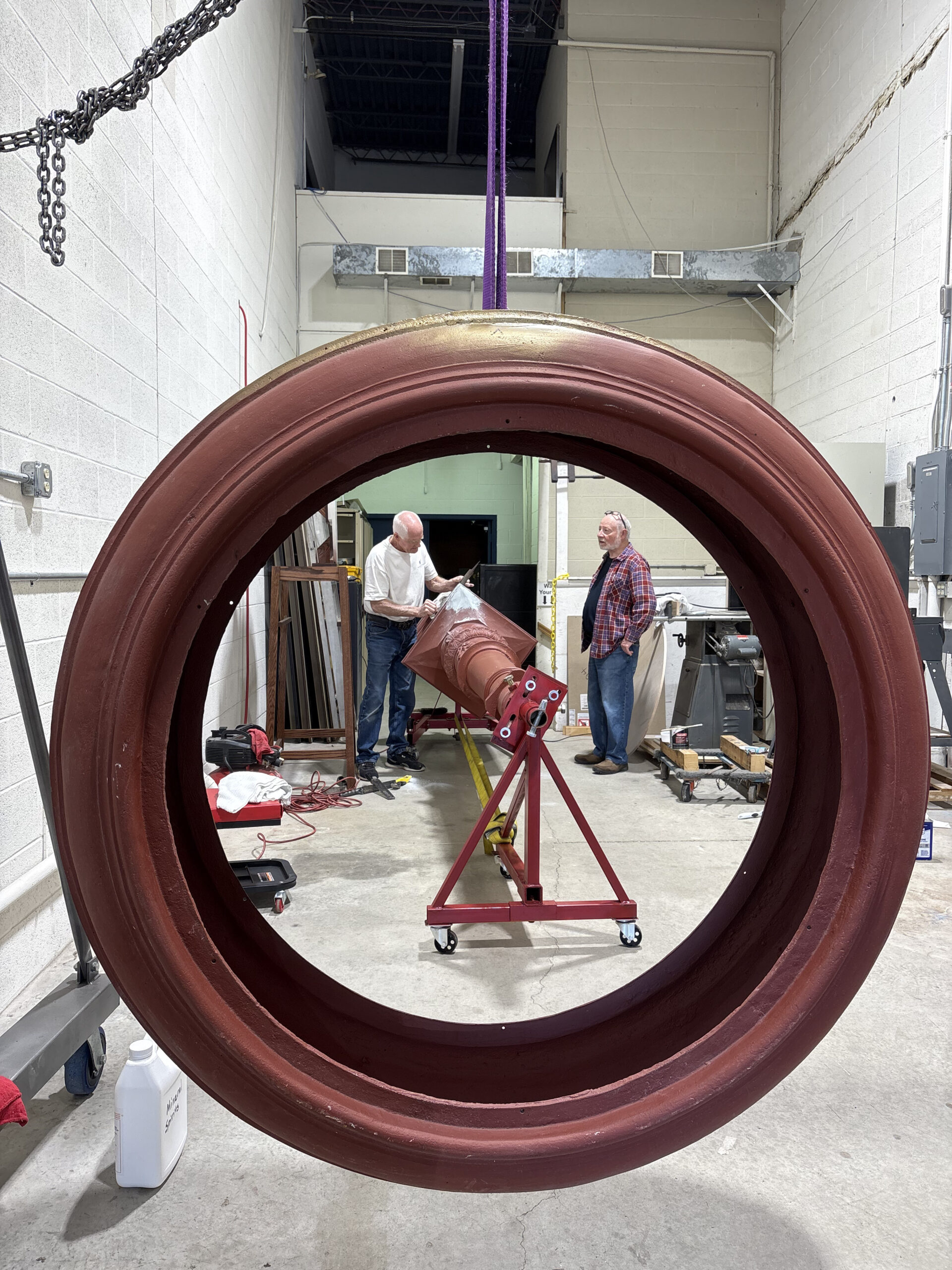
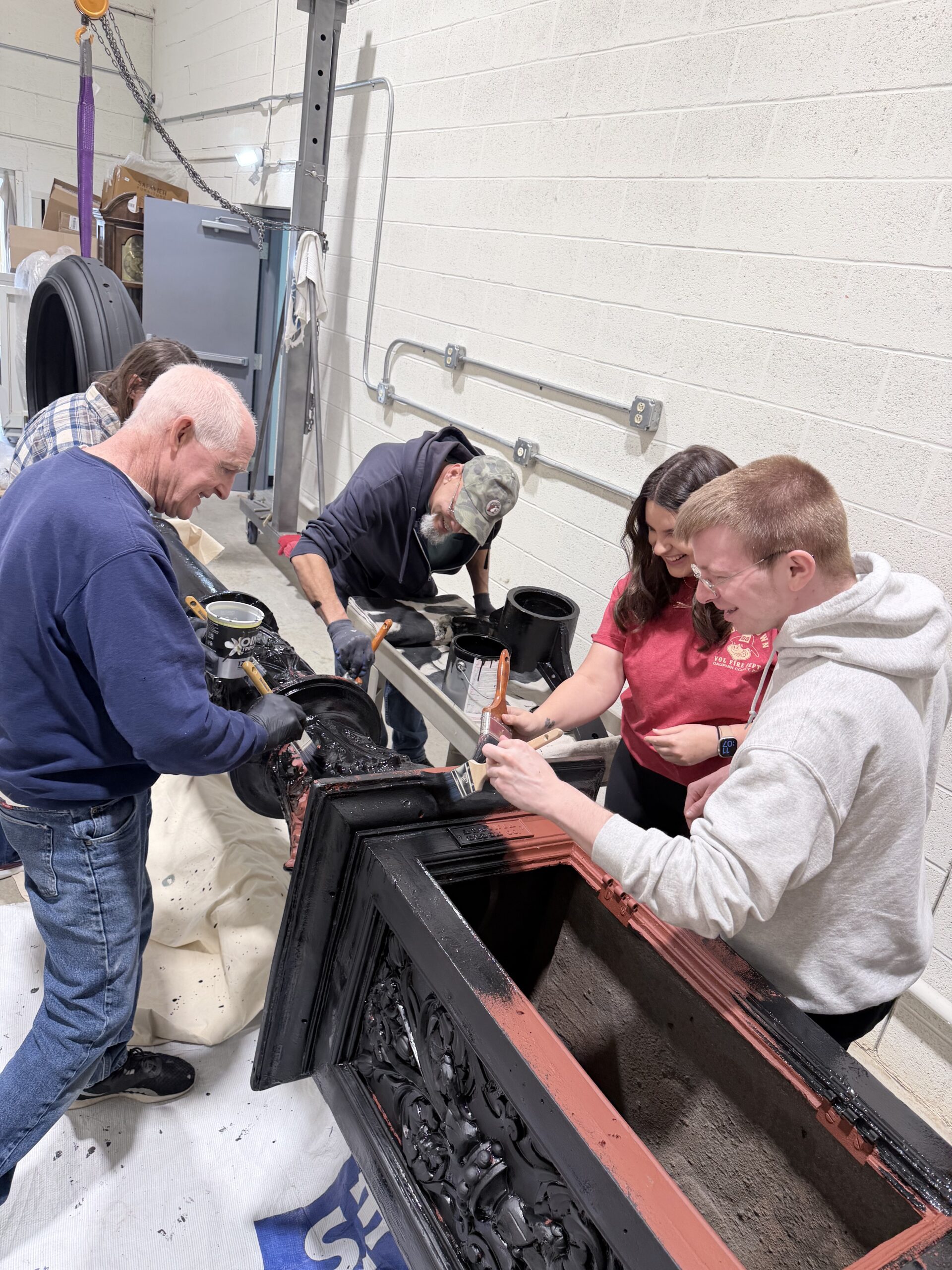
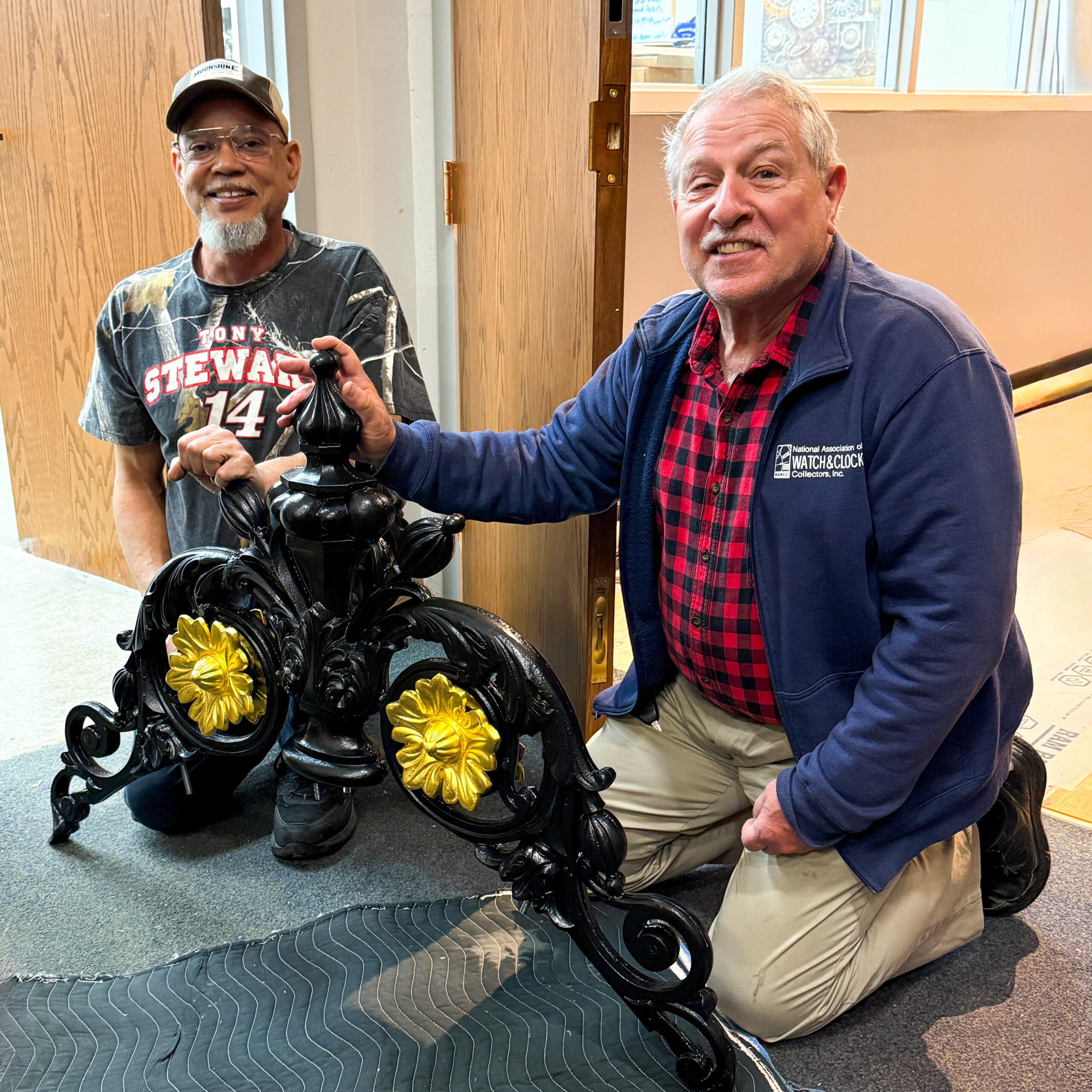
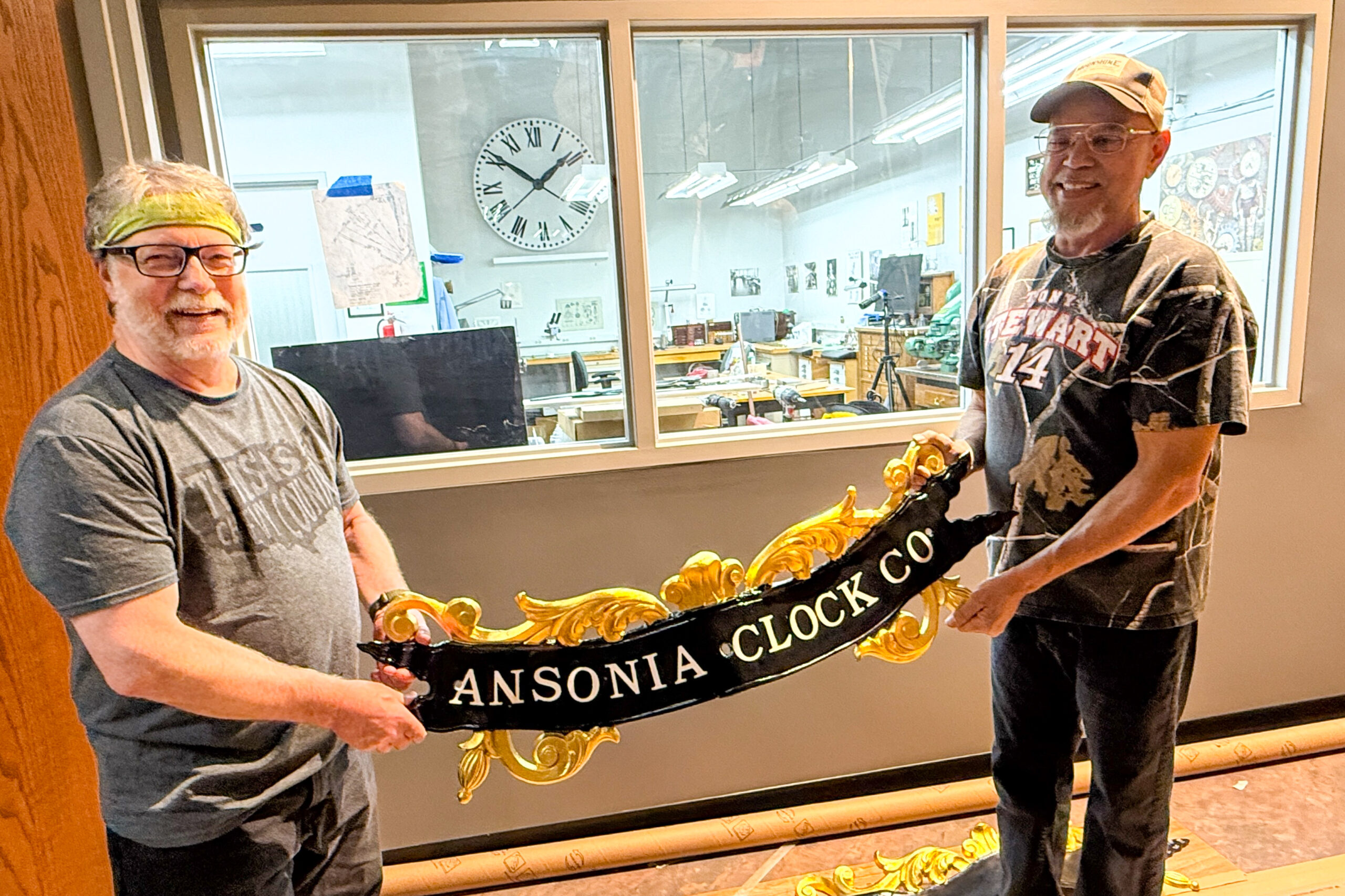
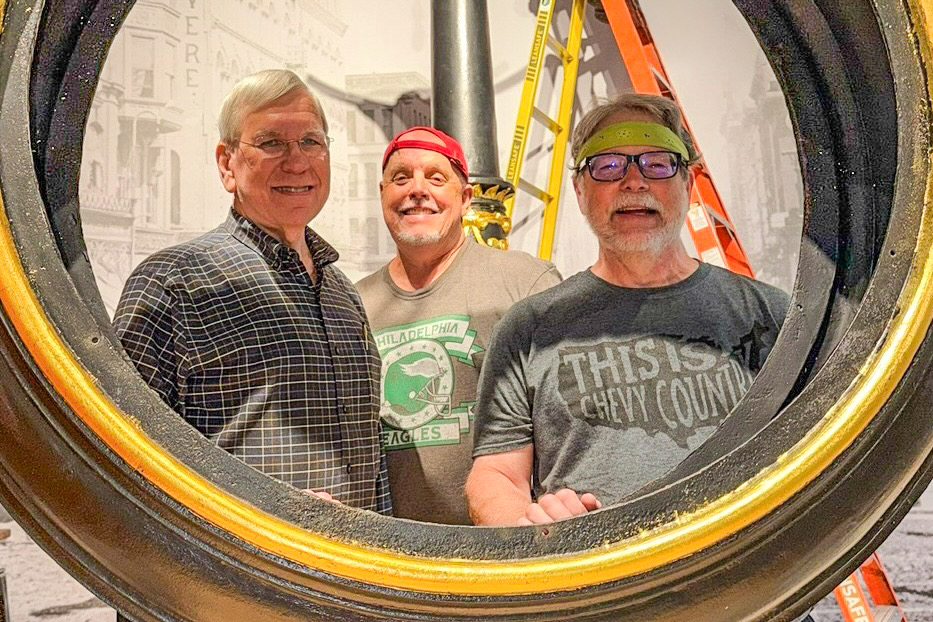
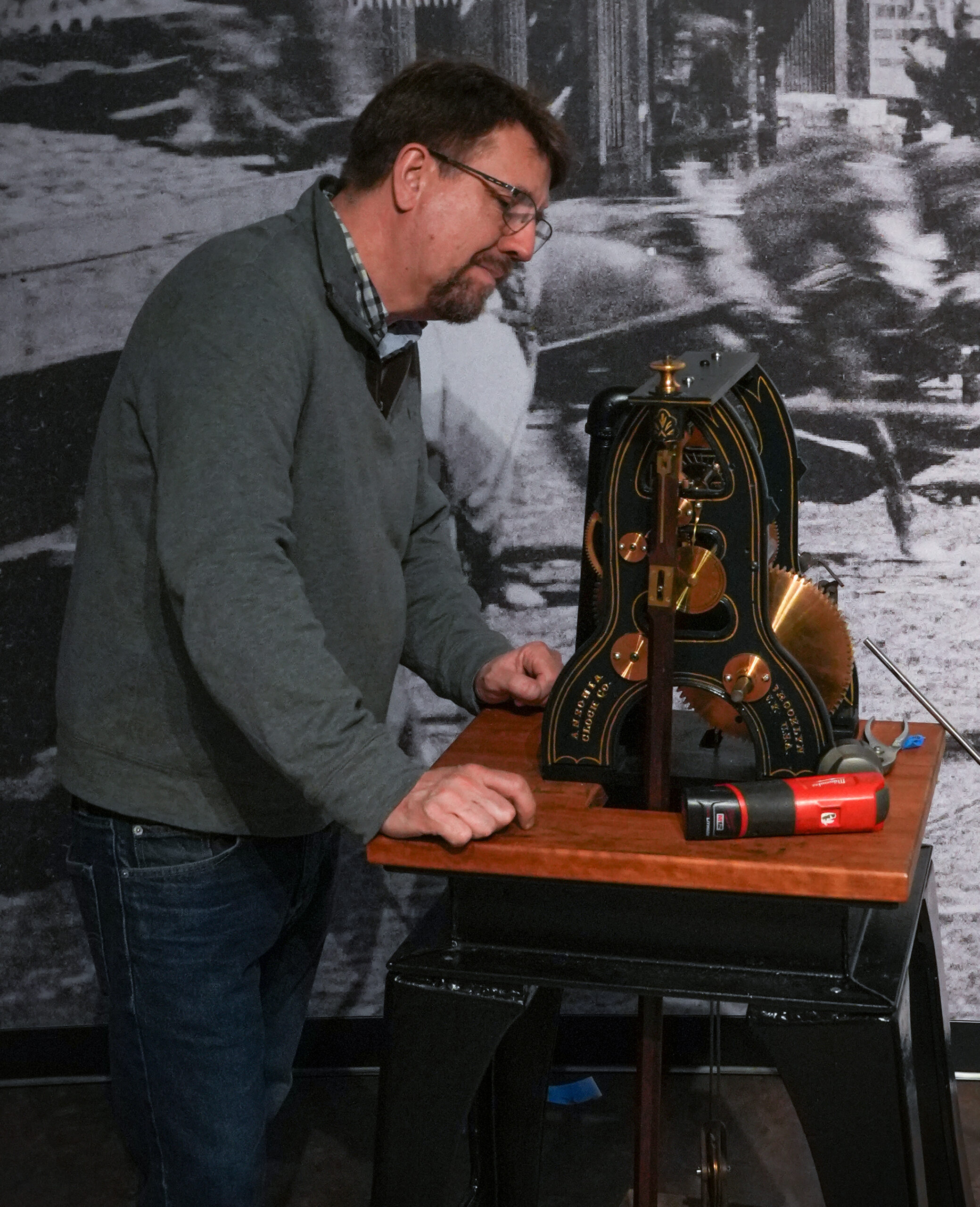
Quincy’s fate changed dramatically in 2026. Following a tremendous fundraising effort – as well as a significant excavation, a shocking amount of concrete, and countless volunteer hours devoted to milling, painting, gilding and other necessary restoration – Quincy today stands proud in a custom-built gallery at the Museum.
At last! After 142 years and nearly 5,000 miles of travel, we are delighted to have this gilded and gleaming treasure in our collection. We invite you to visit Quincy in her permanent new home.